


Shared Leadership outperforms the lone leader

Updated: Sep 5
And the invisibility within success....

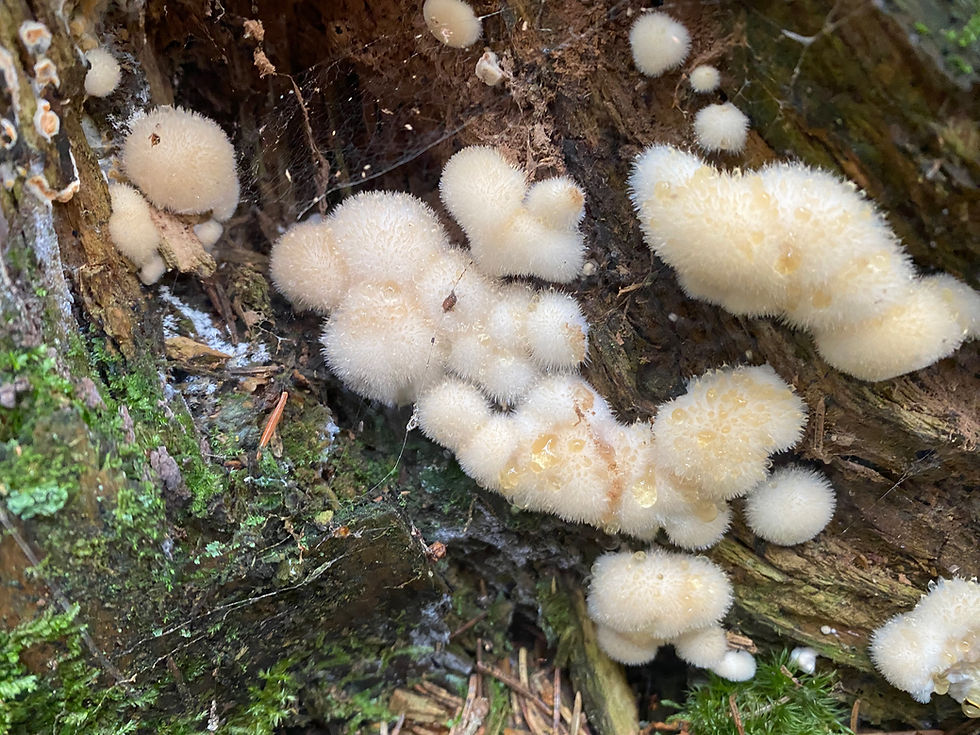
What are the invisible components that make a successful organisation?
Take a look at the image and tell me if you can discern all of the different components ....
It is hard isn't it ? - but perhaps just about possible.
This ability to witness the components of an organisation is essential for leadership. Companies where the leader is aware of the people in their organisation - especially the strengths of those people - thrive and grow.
The danger is that the more we grow (which does not always equate with success) the less visible our organisation and those within it, become.
For a long time now, I have been thinking about how inter-dependant we are with so many invisible people.
Let me give you a few things to think about in relation to this. Let us take, for example - the great British delicacy of a fish finger sandwich, with a dash of tomato ketchup.
How did that get to your plate?
The Bread
The Fish Finger
The Butter
The Tomato Ketchup
Who and what are we dependant on for this delicious delicacy?
(Please feel free to quickly scroll though this - but please be aware of how much is involved without you even realising it)
THE FISH FINGER
The fish itself
Species typically: cod, pollock, or haddock
The fish's own dependencies: plankton, smaller fish, ocean currents, water temperature and salinity, oxygen levels, spawning grounds, the food web beneath it (krill, copepods, phytoplankton)
Ocean systems: tides, the sun driving photosynthesis in phytoplankton, wind patterns affecting nutrient upwelling, the moon's gravitational pull on tides
Catching it
Trawler crews, skippers, deckhands
Boat builders and marine engineers
Steel for the hull (iron ore miners, steelworkers, smelters)
Net makers (nylon or polyethylene fibre, originally petroleum)
Rope makers
Diesel engine manufacturers
Fuel: oil rig workers, refinery workers, tanker crews, pipeline workers
Marine electronics: GPS and sonar systems (satellite manufacturers, rare earth mineral miners for electronics, (often children) satellite launch teams, ground control staff)
Weather forecasters and meteorological satellite data
Coastguard and maritime safety services
Fisheries regulators and quota-setters
Ice makers (to preserve the catch onboard)
Dock workers, fish market auctioneers, fish processing plant workers
Processing
Filleting machine operators or hand fillers
Batter/breadcrumb factory workers
Wheat farmers (for the breadcrumb coating)
Millers
Oil for frying: rapeseed or sunflower growers, oil pressing plant workers
Refrigeration engineers and the coolant chemists behind refrigerant gases
Factory machinery builders
Food safety inspectors, quality control staff
THE BREAD
Wheat farmers
Soil itself: worms, fungi, bacteria, minerals, generations of decomposed organic matter
Sun for photosynthesis
Rain, or irrigation engineers and reservoir builders if irrigated
Bees and other pollinators (even wheat, being wind-pollinated, exists in a landscape shaped by pollinator-dependent crop rotation)
Combine harvester manufacturers and the miners/steelworkers behind them
Diesel or increasingly electric tractor manufacturers
Seed breeders and agricultural scientists
Fertiliser producers (nitrogen fixed industrially via the Haber-Bosch process, phosphate miners, potash miners)
Pesticide/herbicide chemists, if used
Grain silo builders and operators
Millers, milling machinery makers
Bakers, industrial or artisan
Yeast producers (a living organism itself, cultivated)
Salt: salt miners or sea-salt evaporation workers
Packaging: plastic bag manufacturers, or paper bag makers and the forestry workers and trees behind that
THE BUTTER
Dairy cows themselves, and their own vast dependency web: grass, clover, other pasture plants, soil microbiota, water
Farmers and farmhands
Vets
Milking machine manufacturers and engineers
Electricians who wire the milking parlour
Refrigerated tankers and their drivers
Dairy processing plant workers
Butter churners, mechanical or human
The cows' feed supply chain if supplemented: soy or grain growers, sometimes from entirely different continents
Breeders who developed the cattle lineage over generations
Animal welfare inspectors
THE TOMATO SAUCE
Tomato growers, often in glasshouses
Glasshouse builders, glaziers
Heating systems for glasshouses (energy workers again)
Irrigation systems
Pollinators, sometimes bumblebee colonies specifically bred and shipped for greenhouse pollination
Harvesters, often seasonal migrant labour
Sugar: sugar beet or sugar cane growers, refinery workers
Vinegar: apple growers or grain growers for the alcohol base, fermentation microbes
Spices: depending on recipe, could involve growers in entirely different countries (cloves, allspice)
Bottling or canning plant workers
Glass bottle makers: sand miners, glass furnace workers
Or can makers: aluminium or steel miners, smelters
Label printers and ink manufacturers
PACKAGING (across the whole meal)
Plastic: oil extraction workers, petrochemical plant workers, polymer chemists
Cardboard: forestry workers, pulp mill workers, paper mill workers
Printing ink and dye chemists
Recycling systems: waste collectors, sorting facility workers
TRANSPORT AND LOGISTICS
Road builders: tarmac layers, engineers, surveyors
Bitumen for roads (a petroleum product)
Gravel and stone quarry workers
Bridge and tunnel engineers
Traffic management systems and the electricians and engineers behind them
Truck manufacturers, tyre makers
Rubber: rubber tree tappers, often in Southeast Asia, and the ecosystems those trees depend on
Tyre factory workers
Vehicle satnav: satellite manufacturers, rare earth element miners (often cobalt, lithium, neodymium), the geopolitics and mining labour behind those elements
Drivers, warehouse staff, forklift operators
Port workers, crane operators, if any ingredient was imported
Shipping container manufacturers
Customs officials
Fuel supply chain again, repeating at every transport stage
ENERGY
Electricity grid workers
Power station workers, whichever mix applies: coal miners, gas extraction workers, nuclear plant engineers, wind turbine makers and the steel and rare earths in them, solar panel manufacturers and the silicon miners and refiners behind those
Grid engineers, substation maintenance crews
HUMAN INSTITUTIONS THAT MAKE ALL THIS COORDINATE
Retail staff, shelf stackers, checkout workers
Supply chain planners and logistics software developers
Food safety and standards regulators
Trading standards and customs bodies
Banks and payment systems facilitating every transaction along the chain
Insurance underwriters, since ships, factories, and farms are insured
Advertisers and packaging designers
Language and translation, since components likely crossed at least one linguistic border
THE NON-HUMAN AND ELEMENTAL LAYER
Bees and other pollinators
Earthworms and soil microorganisms
Rain, sun, wind
Ocean currents
The bacteria in silage and fermentation
Photosynthesis itself, the base energy conversion beneath every plant and, indirectly, every animal in the chain
Geological time, since the fossil fuels involved are the compressed remains of ancient organisms
That is a lot of invisible components - people, eco-systems, machines! It brings me to the fact that:
There is no such thing as a self-made man, woman or leader.
We are completely dependant on a host of invisible enablers - from toilet cleaners in your buildings, to those who make toilet paper and from those who water the plants to those who built the digital devices you are now reading this on.
However, we are invested in the story of the 'Lone Leader' - not because we are completely ignorant of supply chains - but because it keeps us from feeling the impact we make on others.
We all know of the children working in horrific conditions in the mines within the Democratic Republic of Congo. The country holds over half the world's cobalt reserves and produces more than 60-70% of global supply. The DRC is home to over 50% of the world's cobalt reserves, and it plays a pivotal role in the global supply, accounting for more than 60% of world production.
How does it feel in your body reading that?
Are you uncomfortable with the thought that the device you are reading this with probably contains the minerals those children were forced to mine? - Better to think of ourselves as self-made lone hero's - right? T
his is what the myth is protecting and and shows the discomfort a leader must feel by admitting the mycelium of interdependency instead.
If we say -
"I did all of this, it is me that made this company" - we do not have to stick our fingers of feeling into the discomfort of knowing we did it by; laying people off, by paying some people below what they should have received and by choosing to be ignorant of the cost to others, of our decisions.
But here is the thing - once we start to acknowledge our interdependency - we thrive.
A major meta-analysis found that shared leadership predicts better team performance over and above traditional top-down leadership, meaning the team's collective leadership adds something that a single leader's leadership cannot create by itself..
The old idea of influence coming from dominance and status, is now being challenged, as neuroscience reveals that shared alignment is built by connectors who listen and bridge subgroups - acknowledging and creating interdependency - entanglement and thriving.
Are you getting the message? - horizontal networks of connectivity and sharing, promote thriving more than pyramid hierarchies.
Back to the fish finger sandwich.
The vastness of the involvement in getting in onto your plate, was not always the case. If we go back in time - from before a fish finger was invented, so lets say, a fish sandwich - we would have known many of the people involved in getting it onto that plate ... We would have known that community. Here are some images that Claude helped with.


How do we stop people becoming invisible to us?
It is only when we truly witness each other, that we understand the pivotal roles we play in the eco-systems of our organisations and much of this starts with the developing of 'islands/villages' within our organisations. (I have spoken about these in my bio-mimicry postings that you can read here ) By creating these, each person is witnessed and acknowledged within them. These then become entangled within the larger organisation, creating a shared network of knowledge of each other, their strengths and responsibilities.
If you are interested in finding out more
This mycelial framework of organisational change, forms the basis of my leadership training model.
If you are interested in using this approach in your leadership or having me come into your teams - drop me a line and let us thrive together and be witnessed.


Comments